CPAP Nose Masks Explained: Benefits, Types, and Why They Might Be for You
Millions of patients with sleep apnoea find that a CPAP machine is a lifesaver. While the machine delivers the air pressure needed to keep airways open during sleep. One of the most popular choices among users is the CPAP nose mask, also known as a nasal mask.
But what exactly is a CPAP nose mask, and how do you know if it's the right choice for you? Let’s break it down.
What Is a CPAP Nose Mask?
A Philips Dreamstation mask covers the nose only and delivers pressurised air directly through the nasal passages. It’s connected to the CPAP machine via a tube and is secured on the face using adjustable straps.
Unlike full-face masks that cover both the nose and mouth, or nasal pillow masks that sit directly at the nostrils, nasal masks are designed for a balance of comfort, fit, and consistent airflow.
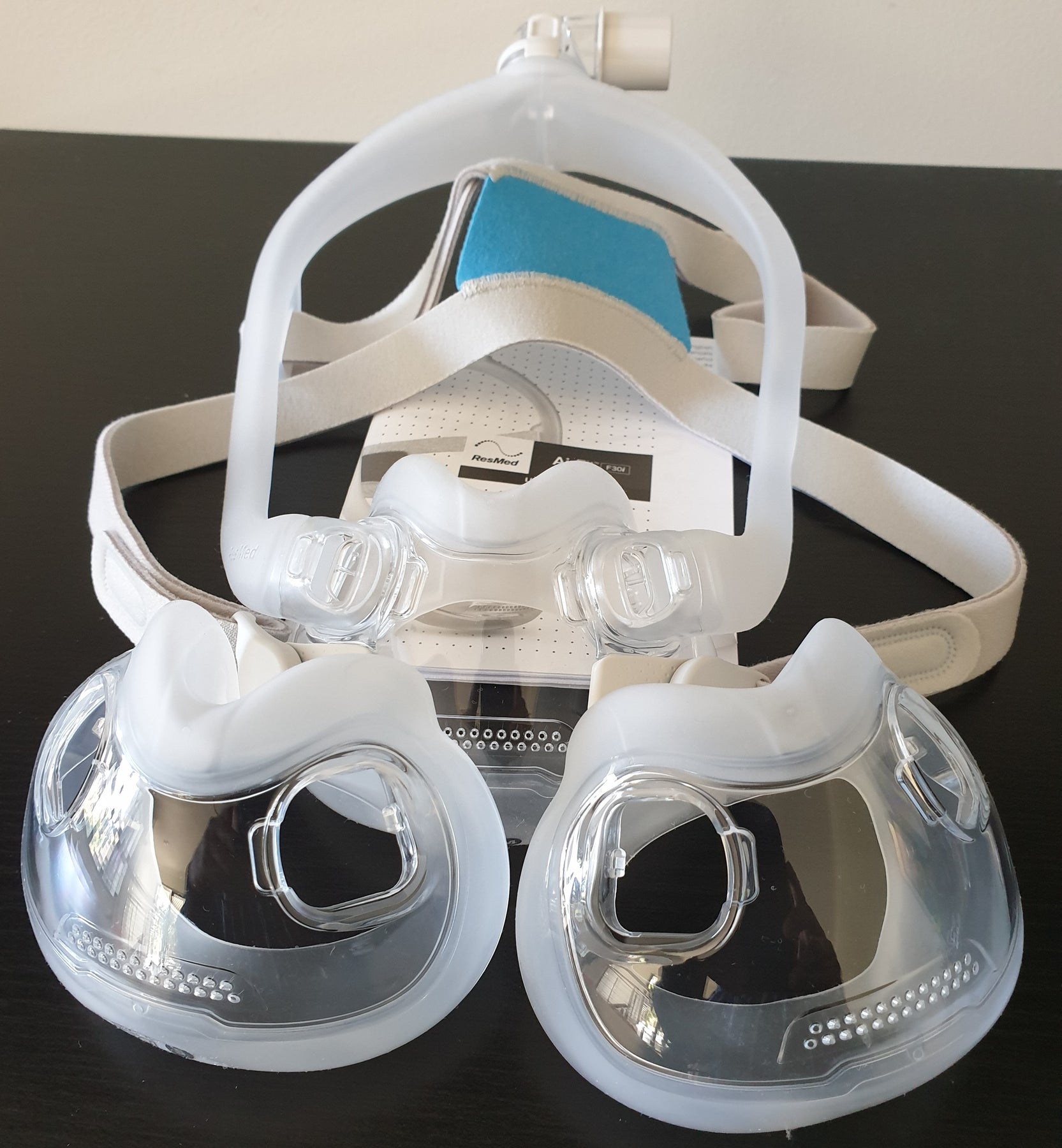
Benefits of Using a Nasal CPAP Mask
- Comfortable Fit:
Nasal masks are often preferred for their ergonomic shape and moderate size. They provide a good seal without feeling bulky or intrusive.
- Suitable for Side Sleepers:
Because they don't cover the entire face, nasal masks can work better for those who sleep on their sides, reducing the risk of leaks.
- Effective for Higher Pressure Settings:
Compared to nasal pillow masks, nasal masks can handle higher pressure levels, making them suitable for moderate to severe sleep apnea.
Types of Nasal CPAP Masks
- Standard Nasal Mask:
Extends from the bridge to the top lip of the nose. It's the most common type and comes in various sizes and designs.
- Nasal Cradle or Under-the-Nose Mask:
Rests just under the nostrils and doesn’t touch the bridge of the nose. It’s a lightweight option with minimal contact.
- Minimal Contact Nasal Mask:
Designed for comfort and an open field of vision, ideal for those who wear glasses or read/watch TV before bed.
A CPAP nose mask can be a great solution if you're looking for a balance between comfort and performance. As always, consult with a sleep specialist or CPAP provider to determine the right fit and type for your individual needs.


Comments
Post a Comment