Nasal Mask vs CPAP Full Mask: Which One Is Right for You?
For individuals managing sleep apnea, choosing the right CPAP mask is just as important as selecting the machine itself. Two of the most common options are the nasal mask and the CPAP full mask, each designed to suit different breathing habits, comfort preferences, and sleep styles. But how do you decide which one is right for you?
Understanding the differences can help you achieve better sleep quality and long-term CPAP compliance.
What Is a Nasal Mask?
A nasal CPAP mask covers only the nose, delivering pressurised air directly through the nasal passage. These masks are ideal for people who breathe through their nose and prefer a lighter, more minimal design. Many nasal masks come with adjustable headgear and soft cushions to reduce pressure on the face.
Benefits of Nasal Masks
- Lightweight and less intrusive
- Suitable for side or stomach sleepers
- Allows for more natural conversation and vision
- Typically more comfortable for long-term use
However, nasal masks may not be the best choice for those who suffer from frequent nasal congestion or who breathe through their mouth during sleep unless paired with a chin strap.
What Is a CPAP Full Mask?
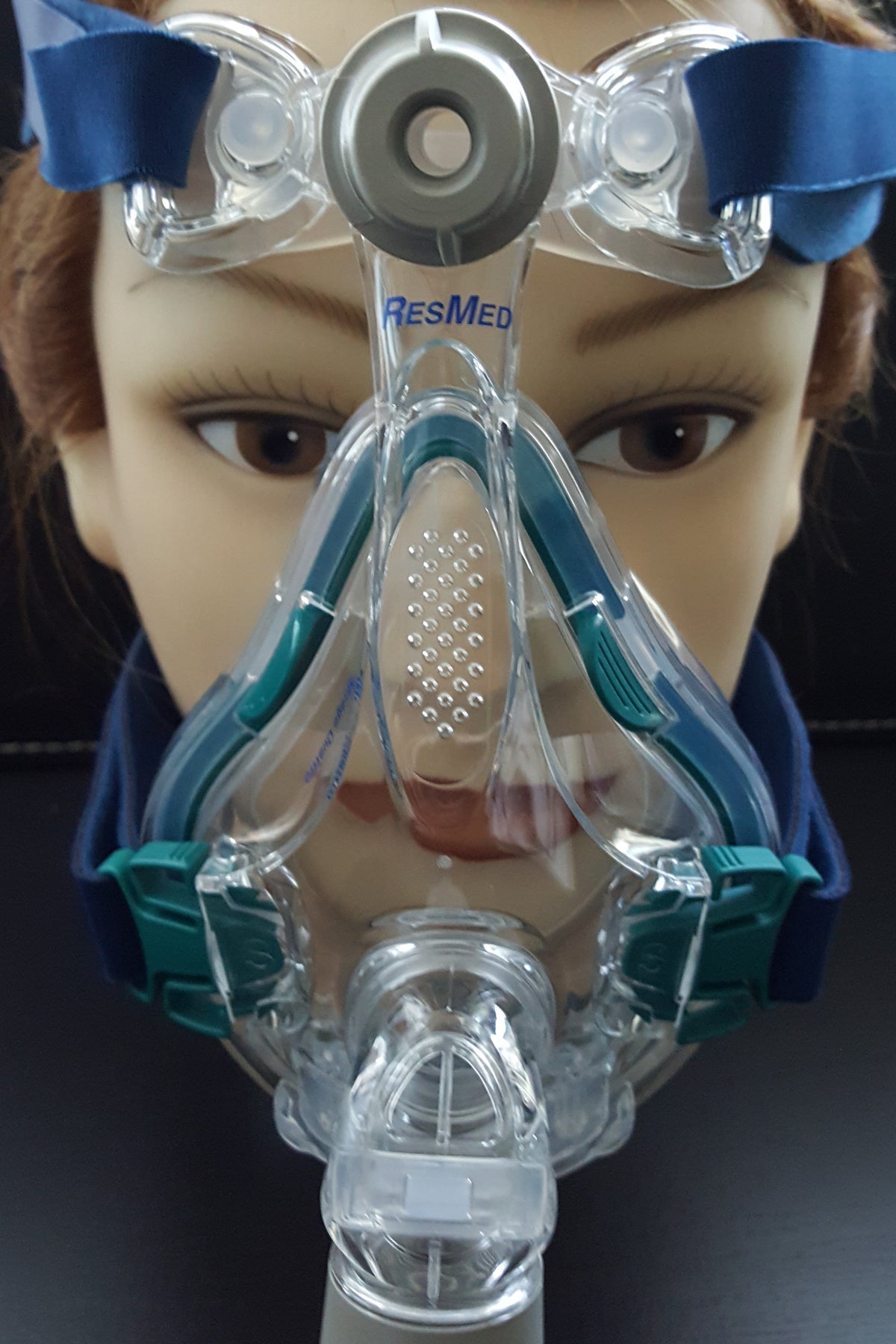
A CPAP full face mask covers both the nose and mouth. It’s a popular choice for people who breathe through their mouth, experience nasal blockages, or have higher pressure settings prescribed. The full mask ensures a consistent air seal, even if you switch between mouth and nose breathing during the night.
Benefits of Full Face Masks
- Ideal for mouth breathers or those with sinus issues
- Better suited for high-pressure CPAP therapy
- Less likely to be affected by nasal congestion
- Secure fit for those who move around during sleep
The trade-off is that full masks are usually larger and may feel bulkier. Some users also find them harder to adjust or less comfortable for side sleeping.
Your sleep expert or CPAP provider may assist you in finding a mask that meets your demands and guarantees the long-term effectiveness of your therapy if you're not sure.


Comments
Post a Comment