Why Many Users Switch to A ResMed Nose Mask for CPAP Comfort
Comfort is one of the most important factors influencing long-term success with CPAP therapy. Many users who experience discomfort, air leaks, or disrupted sleep with a full-face mask choose to switch to a ResMed nose mask. This transition is frequently driven by the need for improved comfort, better seal performance, and a more natural sleep experience.
A More Natural And Lightweight Design
One of the primary reasons users prefer a nasal mask is its lighter and less intrusive design. A ResMed CPAP mask covers only the nose rather than the nose and mouth, reducing the amount of facial contact during sleep. This minimalist approach allows users to move more freely and feel less restricted.
The reduced size and weight contribute to:
- Less Pressure On The Face And Nose Bridge
- Greater Freedom Of Movement During Sleep
- Improved Comfort For Side Sleepers
Many users report that the mask feels more natural, making it easier to relax and fall asleep.
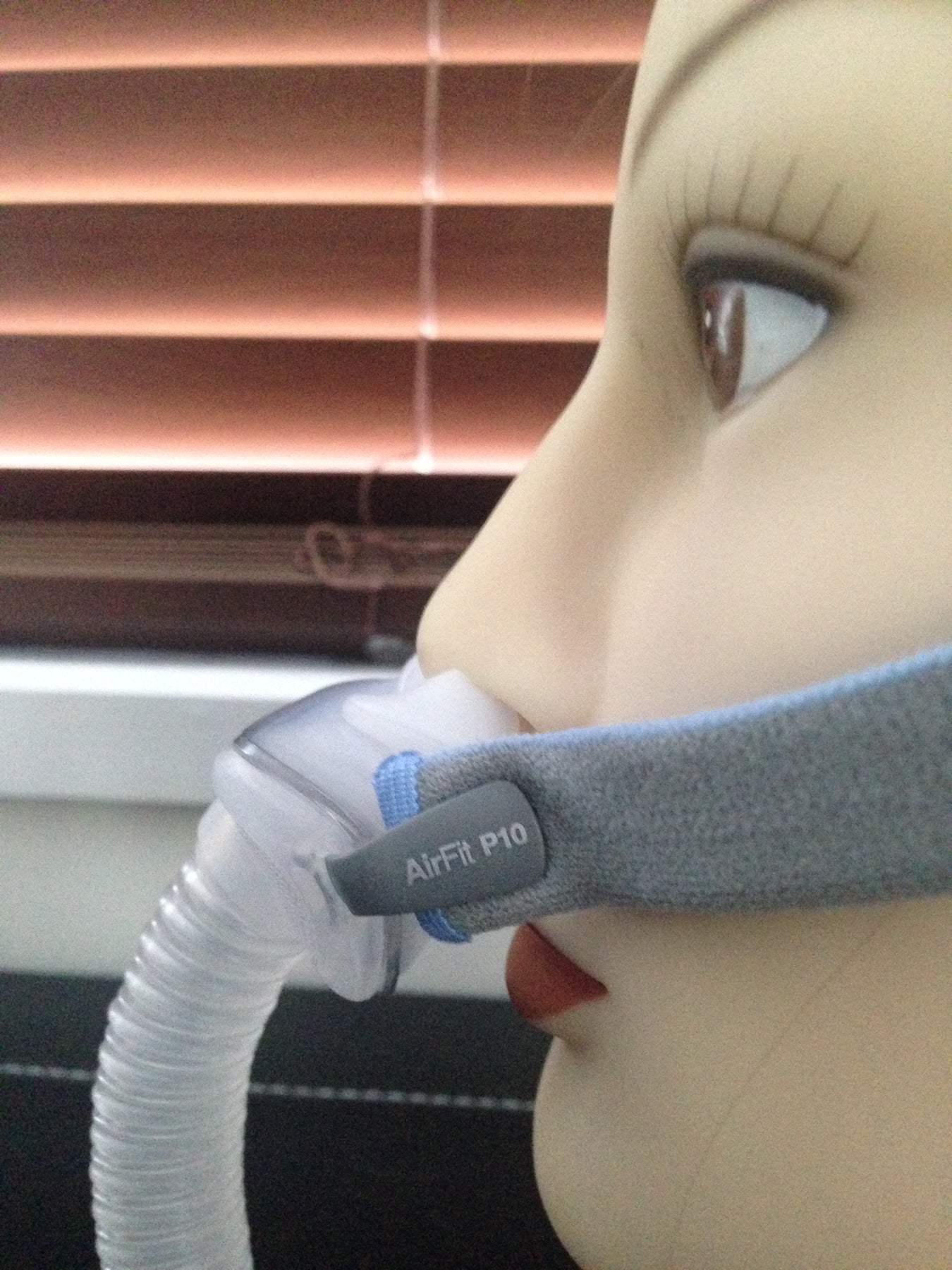
Improved Seal And Reduced Air Leaks
Air leakage is a common complaint among CPAP users, particularly with larger masks. A ResMed nose mask is designed to create a secure seal around the nose using soft silicone or gel cushions that adapt to facial contours. With less surface area to manage, achieving a consistent seal becomes easier.
This leads to:
- Reduced Noise From Escaping Air
- More Stable Therapy Pressure
- Fewer Sleep Interruptions For Both Users And Bed Partners
A reliable seal plays a key role in therapy effectiveness and overall sleep quality.
Enhanced Comfort For Sensitive Skin
Skin irritation can be a significant issue for CPAP users, especially those with sensitive skin or pressure points. ResMed nose masks are engineered with skin-friendly materials and smooth edges to minimise friction and pressure.
Users often notice:
- Less Redness And Irritation Around The Face
- Reduced Risk Of Pressure Marks
- Improved Comfort During Extended Use
This makes nasal masks particularly appealing for users who experience discomfort with bulkier designs.
By reducing discomfort and sleep disruption, a nasal mask can significantly improve therapy compliance and help users achieve better, more restful sleep over the long term.


Comments
Post a Comment